
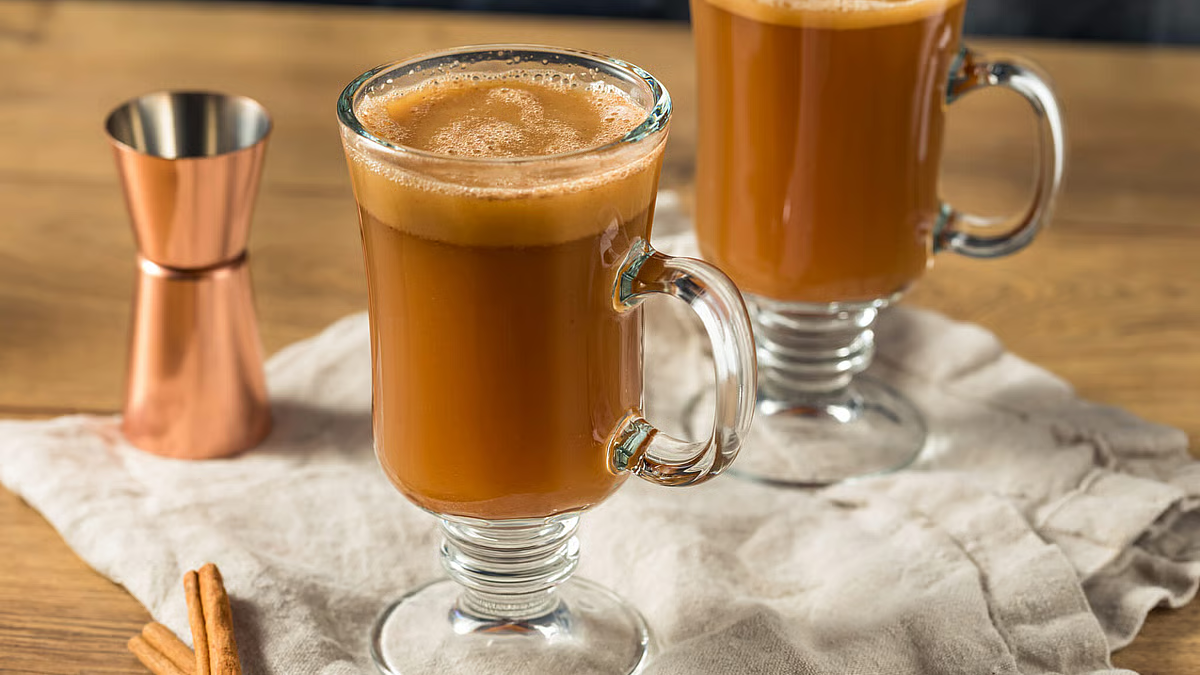
History of National Hot Buttered Rum Day
National Hot Buttered Rum Day grew from a long love for a drink that brings warmth during cold seasons. Hot buttered rum itself appeared in early America during the seventeenth century. At that time, rum arrived from the Caribbean in large quantities and became one of the most common spirits in the colonies. People mixed it with hot water, butter, sugar, and spices to create a comforting drink that suited harsh winters. This blend offered warmth, calories, and relaxation, making it popular in homes and taverns.
As generations passed, hot buttered rum remained a seasonal favorite rather than an everyday drink. Families shared recipes, adjusting spice levels and sweetness based on taste. The drink slowly became linked with winter evenings, social gatherings, and moments of rest. That emotional connection helped it survive changing trends in food and drink culture. Even when lighter cocktails gained attention, hot buttered rum stayed tied to comfort.
The idea of honoring this drink with a special day came much later. National Hot Buttered Rum Day emerged in the early twenty-first century, around 2005. The observance formed during a period when many “National Days” appeared across the United States. These days often celebrated food, traditions, or small pleasures rather than major historical events. They offered lighthearted reasons to pause and enjoy something familiar.
No single person or organization officially claimed credit for starting National Hot Buttered Rum Day. This lack of a named founder is common among modern food observances. Writers, bloggers, and calendar creators often introduce such days to highlight seasonal traditions. Over time, repeated mentions help them gain recognition. Eventually, the day appears on national calendars, websites, and lifestyle articles.
What helped this observance stick was timing and mood. Winter already encourages warm drinks and indoor comfort. Hot buttered rum fits naturally into that atmosphere. The drink carries nostalgia, warmth, and simplicity. As people searched for cozy experiences, this day gained attention.
Media coverage played a strong role in spreading awareness. Lifestyle websites, food writers, and beverage experts began referencing the observance. Social platforms also helped by sharing photos, recipes, and short stories tied to the drink. Each mention reinforced the idea that this day belonged on the calendar. Over time, repetition created tradition.
Today, National Hot Buttered Rum Day stands as an example of how modern holidays form. It did not arise from government action or major historical moments. Instead, it grew from shared habits and seasonal comfort. The day connects present audiences with older customs without a formal ceremony.
Facts about National Hot Buttered Rum Day
Facts That Warm the Story
-
Colonial Rum Trade Shaped the Drink’s Rise
Hot buttered rum gained prominence in colonial America because rum production expanded rapidly during the seventeenth century.
Molasses from Caribbean sugar plantations was shipped to New England, where local distilleries turned it into rum. Easy access made rum a common base for warm drinks.
British Hot Drinks Inspired American Adaptations
Warm alcoholic drinks already existed in Britain, including early versions of hot toddies. American colonists adapted these traditions by using locally produced rum instead of brandy or whisky. Butter and spices added richness suited to colder climates.
-
Winter Taverns Helped Popularize the Recipe
By the eighteenth century, hot buttered rum appeared frequently in New England taverns. Tavern culture played a key role in spreading recipes through social drinking. Warm rum drinks offered comfort during long winters and became seasonal favorites.
Rum Functioned as an Economic Powerhouse
Rum and molasses were central commodities in colonial trade networks. Their exchange connected the Caribbean, New England, and Europe in complex commercial systems. This economic importance ensured rum remained widely available for domestic use.
Early Bartending Guides Preserved the Tradition
Nineteenth-century bartending manuals documented hot rum drinks as standard offerings. Jerry Thomas’s influential cocktail book reflected existing practices rather than inventing them. These guides helped preserve traditional warm drinks for future generations.