
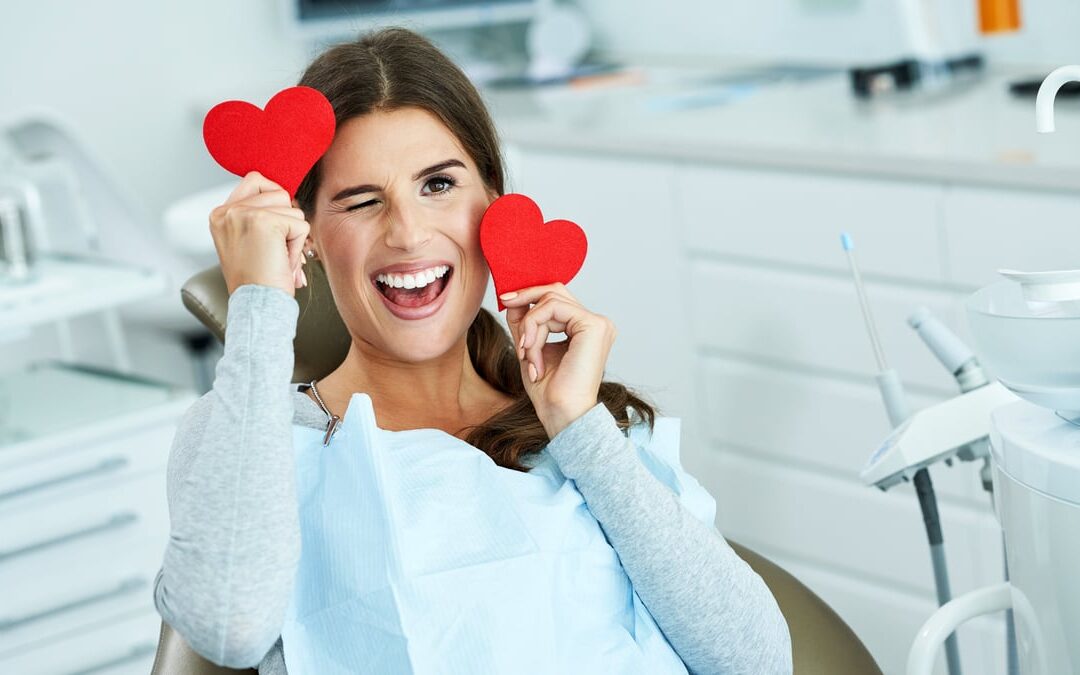
Having a good dentist is essential to keeping a healthy smile. National I Love My Dentist Day, celebrated annually, is a fun way to show appreciation for these dedicated professionals.
It highlights their hard work, commitment, and essential role in maintaining our dental health. Behind every calm cleaning and carefully placed filling is a team that blends science, precision, and people skills. Dentistry is part health care, part engineering, and part reassurance, especially for anyone who has ever gripped the armrests of a chair while trying to “relax their jaw.”
How to Celebrate National I Love My Dentist Day
Send a Thank-You Card
Expressing appreciation doesn’t have to be extravagant. A simple card with heartfelt words can make a dentist’s day. It shows gratitude for their hard work in maintaining those pearly whites.
A good note is specific. Instead of a generic “thanks,” it can mention something the dentist or team did that mattered: explaining a treatment clearly, being gentle during a sensitive cleaning, helping with a mouthguard, or fitting someone in quickly when a tooth decided to become dramatic at the worst possible moment.
Dental work can be oddly personal, since it happens within inches of a patient’s face while they are not exactly able to chat. A card that recognizes the trust involved feels meaningful.
If a dentist works with a whole office team, the message can include everyone who helped, such as the hygienist who did the cleaning, the assistant who kept things organized, or the front desk person who made scheduling painless. Many practices display thank-you cards where the staff can see them, which turns a small gesture into a steady morale boost.
Share a Treat (But Not Candy!)
Dentists preach avoiding sweets, but they can still enjoy healthier treats. Give them a fruit basket or gourmet tea to keep them smiling without worrying about cavities.
The best gifts for a dental office are considerate, easy to share, and not messy. Fresh fruit, individual snack packs, fancy coffee, herbal teas, or a basket with nuts and dried fruit can all work well.
For something a little more “office-friendly,” a tray of bagels, cheese, and crackers, or a variety pack of sparkling water can brighten a break room without sending anyone into a sugar spiral.
It also helps to think about practicalities. Dental teams often run on tight schedules and quick breaks, so grab-and-go items are appreciated. A treat that can sit out for a bit and still be safe is better than something that needs complicated refrigeration.
If someone wants to be extra thoughtful, a small note can accompany the gift: “For the whole team, thanks for taking such good care of my smile.” That makes it clear the appreciation is meant for everyone, not just the person with “DDS” after their name.
Post a Shoutout Online
Everyone loves public praise! Share your positive dental experiences on social media, tagging your dentist’s office. A positive review can brighten their day and boost their reputation.
A great shoutout focuses on what was genuinely helpful: clear explanations, pain management, respectful care, kid-friendly patience, or accommodating an anxious patient. Many people choose dentists based on word of mouth, and a thoughtful review can help others find a practice that matches their needs. It also supports small businesses and professional reputations, especially for offices that invest time in patient education and comfort.
The most useful posts are balanced and specific. Mentioning things like an easy check-in process, transparent cost estimates, or a dentist who discusses options without pressure can help others know what to expect. Even a short line like “They explained every step and never made me feel rushed” carries weight.
For anyone who prefers not to post publicly, sending a private email to the office manager or leaving feedback through a patient portal can still make a difference. Staff meetings often include reading patient comments, and kind words can carry a team through a tough week of chipped teeth and last-minute emergencies.
Gift a Fun Dental-Themed Item
Quirky gifts like toothpaste squeezer keychains or tooth-shaped stress balls are fun. Dentists will enjoy these small tokens, which remind them that their work brings smiles.
Dental-themed gifts are charming because they show someone noticed the unique world dentists live in. Ideas can include tooth-shaped sticky notes, a mug with a dental pun, a mini model of teeth for a desk, or a “floss boss” pen. Even something as simple as a pack of nice hand lotion can be surprisingly on-theme, since frequent handwashing is part of clinical life.
The most appreciated gifts tend to be small and appropriate for a professional setting. Avoid anything too personal, overly expensive, or impractical. A little humor goes a long way, but it should stay kind and upbeat. Dentistry deals with nerves and discomfort, so the best jokes are gentle and celebratory, not teasing about fear or pain.
If the recipient is a pediatric dentist, kid-friendly items can be a hit, such as stickers for the prize drawer, small toys, or fun office décor. For general dentistry, practical desk items with a toothy twist can brighten long days of detailed work.
Schedule an Appointment
No better way to show love than to commit to your next dental visit. By prioritizing oral health, people can express their appreciation while ensuring their smiles stay in top shape.
Regular visits are a form of respect for a dentist’s mission. Dentists and hygienists can do more when they see patients before problems become bigger, more expensive, or more uncomfortable.
A routine cleaning and exam can catch early decay, gum inflammation, bite issues, or small cracks before they become emergencies. It also gives the dentist a chance to update preventative advice, since mouths change with age, diet, stress, medication, and habits like clenching or grinding.
Scheduling an appointment can also be a way to reset habits. Many offices offer helpful coaching on brushing technique, flossing alternatives, fluoride use, and tools like interdental brushes or water flossers. For anyone who tends to “panic-floss” the day before an appointment, booking the visit can become a gentle reminder to keep daily care consistent.
For people who feel nervous about dental visits, making the appointment is a courageous act of appreciation. It means trusting the team to help manage anxiety. Many dentists can offer small adjustments that make appointments easier, such as clear step-by-step explanations, short breaks during treatment, numbing options, or strategies to reduce sensitivity.
Why Celebrate National I Love My Dentist Day
This day reminds us why regular dental visits matter. Dentists don’t just fix cavities; they provide valuable advice on preventing future problems. Their role in improving oral hygiene can’t be underestimated, making them deserving of recognition and thanks.
Dentists work at the intersection of prevention and repair. Prevention includes professional cleanings to remove hardened plaque, gum checks to monitor inflammation, screenings for issues that may not be visible at home, and advice tailored to real life.
Repair can include fillings, crowns, root canal treatment, extractions, and restoring broken teeth after accidents or wear. Many dentists also help with cosmetic concerns, such as whitening, bonding, or aligners, but even those services often tie back to function and long-term stability.
It is also worth recognizing the problem-solving involved. Dental pain can be confusing. A tooth might hurt only when chewing, only with cold water, or only at night. Dentists translate symptoms into a diagnosis using exams, imaging, and experience.
They have to balance what is ideal with what is practical, taking into account budgets, timelines, and patient comfort. That blend of technical skill and real-world guidance is a big part of what makes a “good dentist” feel invaluable.
By celebrating National I Love My Dentist Day, we acknowledge the significance of oral health in our lives. It promotes the importance of keeping our smiles bright and healthy. Taking a moment to thank dentists reflects our gratitude for their support in maintaining our overall well-being.
Oral health is connected to daily comfort and confidence. Teeth affect speech, eating, and the simple ability to enjoy food without wincing. Gum health supports the foundation that keeps teeth stable. A healthy mouth can also influence how a person sleeps and how they feel about themselves in photos or conversations.
This day also highlights the emotional labor of dental care. Many patients arrive with fear, embarrassment, or frustration about past experiences. Good dentists and their teams handle that with discretion, empathy, and calm professionalism.
They coach, they reassure, and they create an environment where people can come back even when they would rather be anywhere else. Appreciation is a reminder that gentle care matters as much as technical outcomes.
National I Love My Dentist Day Timeline
-
Earliest Recorded Dental Practitioners
An inscription from the tomb of Hesy-Ra in ancient Egypt describes him as “chief of dentists and physicians,” providing one of the earliest known references to dentistry as a specialized role.
-
Classical Texts Describe Dental Disease and Treatment
Greek and Roman writers such as Hippocrates and Celsus documented tooth decay, oral infections, and techniques like tooth extraction and wiring loose teeth, laying foundations for later clinical dentistry.
-
Publication of Fauchard’s “Le Chirurgien Dentiste”
French surgeon Pierre Fauchard published “Le Chirurgien Dentiste,” often cited as the birth of modern dentistry, standardizing techniques for fillings, prosthetics, and oral surgery and defining the dentist’s professional role.
-
First Dental School and Formal Degree in Dentistry
The Baltimore College of Dental Surgery opened in the United States, granting the first Doctor of Dental Surgery (DDS) degrees and transforming dentistry into a regulated, university-based health profession.
-
Adoption of Anesthesia and Local Analgesia in Dentistry
From Horace Wells’s demonstration of nitrous oxide in 1844 to the introduction of local anesthetics like procaine in 1905, dentists gained the ability to control pain, making dental care more humane and widely accepted.
-
First Community Water Fluoridation Program
Grand Rapids, Michigan, became the first city to fluoridate its public water supply, launching a major public health effort that significantly reduced tooth decay and reshaped preventive dentistry.
-
Recognition of Oral–Systemic Health Links
Growing research in periodontology and cardiology showed associations between gum disease and systemic conditions such as heart disease and diabetes, expanding dentists’ role in overall health care.
History of National I Love My Dentist Day
National I Love My Dentist Day has an interesting backstory. The origins of this day are unclear, but it’s generally thought to have started as a way for patients to show their appreciation for the people who keep their smiles healthy.
Observed annually, it highlights the importance of good dental care and the hardworking professionals behind it.
The idea fits into a broader trend of appreciation days that spotlight careers people rely on but rarely celebrate. Dentistry is often noticed only when something hurts, which makes it easy to forget the steady work that keeps pain away in the first place. A dedicated day helps shift attention toward gratitude, preventive care, and the many routine victories that never become emergencies.
Before modern dental advancements, oral health issues often led to serious problems. Dentists now help prevent such complications by promoting regular cleanings, providing advice on oral hygiene, and offering treatments when needed.
Dental care has changed dramatically over time, largely because of improvements in science, materials, and prevention. The development of better anesthetics made treatment more tolerable. Advances in imaging made it easier to identify problems early. Modern restorative materials allow dentists to rebuild teeth with strength and a more natural look.
Preventive strategies, including professional cleanings and protective treatments, help reduce the need for major procedures. The shift toward prevention is one of the most patient-friendly changes in health care, since it turns dentistry into something that supports long-term comfort rather than simply responding to crises.
The day became a chance for patients to reflect on these improvements and the positive impact of good oral health. Though not an official public holiday, National I Love My Dentist Day has grown in popularity. People across the country use it to recognize the essential role dentists play in maintaining healthy smiles.
Modern dental care is also a team effort. While dentists lead diagnosis and treatment planning, hygienists focus on preventive care and patient education, dental assistants support procedures and ensure smooth workflows, and office staff manage scheduling, insurance paperwork, and the logistics that keep an appointment from turning into a day-long project. Celebrating a dentist often means celebrating the whole practice, since a comfortable, efficient experience rarely happens because of one person alone.
From small tokens of gratitude to heartfelt thank-you notes, it’s all about appreciating those who help us keep our teeth in top shape. Through National I Love My Dentist Day, people everywhere take a moment to acknowledge the importance of these professionals.
They contribute significantly to our health and happiness. This day serves as a reminder of the incredible progress made in dental care over the years and the valuable role dentists continue to play in our lives.
It can also serve as a gentle nudge toward better habits. Appreciation pairs nicely with action: replacing a frayed toothbrush, wearing a night guard if grinding is a problem, cutting back on constant sipping of sugary drinks, or finally asking about that sensitive spot that has been “probably fine” for too long.
In that way, celebrating a dentist is not only about saying thank you. It is also about supporting the shared goal dentists work toward every day: fewer emergencies, healthier mouths, and more people who can smile without thinking twice.
Surprising Facts That Show Why Dentistry Matters
Dentistry is about far more than clean teeth and routine checkups.
From revealing details about ancient civilizations to helping scientists understand serious health conditions, teeth and oral health play an important role in history, medicine, and modern healthcare.
These fascinating facts highlight how dentistry has shaped human life and continues to impact overall well-being today.
-
Teeth Tell Stories About Ancient Diets
Archaeologists study the wear patterns and chemical composition of ancient teeth to learn what people ate thousands of years ago. Microscopic scratches on enamel and stable isotope analysis can reveal whether a person’s diet was rich in meat, plants, or marine foods, and even track shifts when societies adopted agriculture.
-
Tooth Decay Is the World’s Most Common Noncommunicable Disease
According to the World Health Organization, untreated dental caries in permanent teeth affects an estimated 2 billion people worldwide, making it the most prevalent condition in the Global Burden of Disease classification and highlighting how central dentistry is to public health.
-
Modern Dentistry Took Off With Anesthesia and the High-Speed Drill
Before the mid‑1800s, extractions were often done without pain control. The public demonstration of ether anesthesia in 1846 and the introduction of the air‑turbine high‑speed dental drill in the 1950s revolutionized dental care, allowing dentists to perform more precise restorative work with far less pain for patients.
-
Oral Health and Heart Disease Share Inflammatory Roots
Research shows that severe gum disease is associated with a higher risk of cardiovascular problems such as heart attack and stroke. Scientists think chronic inflammation and bacteria entering the bloodstream from diseased gums can contribute to the buildup of arterial plaque, which is why cardiology and dental guidelines increasingly stress good oral hygiene.
-
Dentists Help Spot Diseases Beyond the Mouth
Routine dental exams sometimes reveal early signs of systemic illnesses such as diabetes, eating disorders, and certain blood cancers. Changes like persistent gum inflammation, slow healing, unusual oral infections, or enamel erosion can prompt dentists to refer patients for medical evaluation and lead to earlier diagnosis.
-
Fluoride and Sealants Dramatically Cut Cavities in Children
Community water fluoridation has been shown to reduce tooth decay in children and adults by about 25 percent, while dental sealants on the chewing surfaces of permanent molars can prevent up to 80 percent of cavities in those teeth within the first two years after placement, making preventive dentistry one of the most cost‑effective health interventions.
-
Dental Anxiety Is Widespread but Manageable
Surveys suggest that roughly 36 percent of people experience some dental anxiety, and around 12 percent have extreme fear, which can lead them to delay care until problems are severe. Dentists now use techniques like behavioral coaching, nitrous oxide, and, in some cases, conscious sedation to help highly anxious patients receive needed treatment safely.