
History of National Tequila Day
Derived from the blue agave plant, humans have been making something like tequila for at least a couple of thousand years. As early as 150 B.C., a predecessor of tequila, called ‘pulque’ was believed to have been made by civilizations predating the ancient Aztecs.
When making tequila, the hearts of the agave plant (called piñas) are removed and cooked, then they are ground and fermented for anywhere from a few months to three years.
Like wine, the type of soil the plant is grown in can impact the taste of the final product. Unlike wine or other drinks made from fruit, once an agave plant is used to make tequila, it cannot be reused.
To qualify as “tequila”, at least 51% of the product must be derived from the blue agave plant that is prevalent in Mexico. Today, however, many manufacturers of the drink have much higher standards and will make it from a full 100% blue agave.
These versions of tequila are typically higher quality and will usually be more expensive than the mixed versions.
Modern-day tequila is like a few other alcoholic beverages (champagne, cognac or bourbon) in that it can only be named “tequila” if it is made in a certain place. In the case of tequila, this place is Mexico. While specifically most tequilas originate from Jalisco, other qualifying regions include Michoacán, Tamaulipas, Guanajuato, or Nayarit.
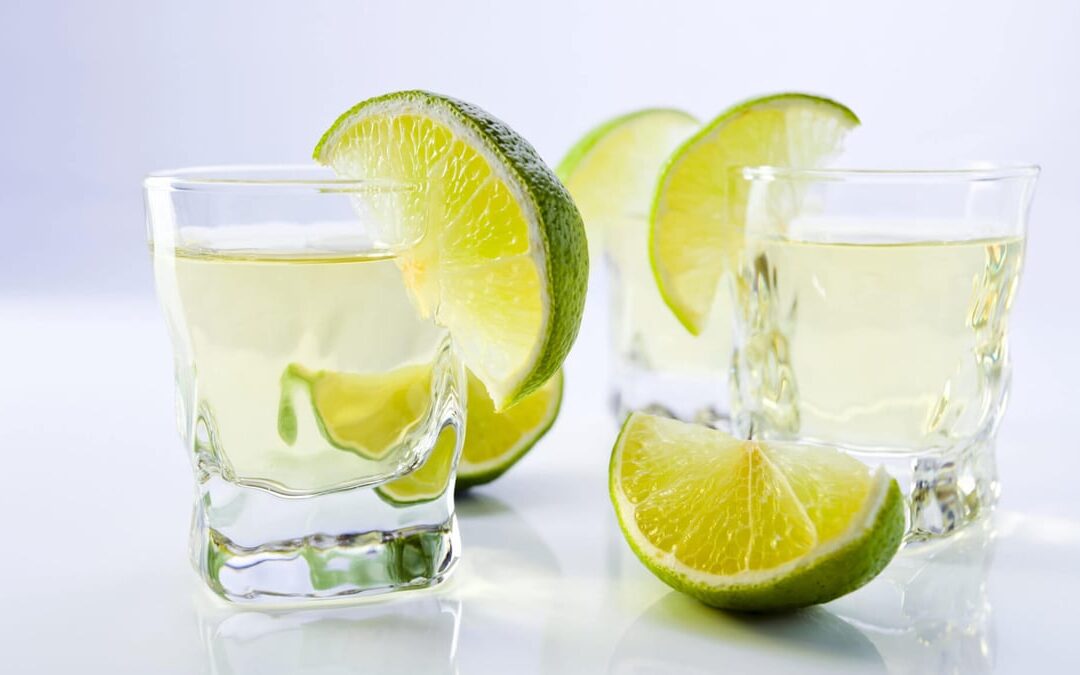
National Tequila Day is the celebration of everything to do with this classic drink, whether it is enjoyed straight or as part of a tasty cocktail.
In 2018, National Tequila Day was officially recognized by the Mexican government, and now everyone wants to celebrate–not just today but all year round!