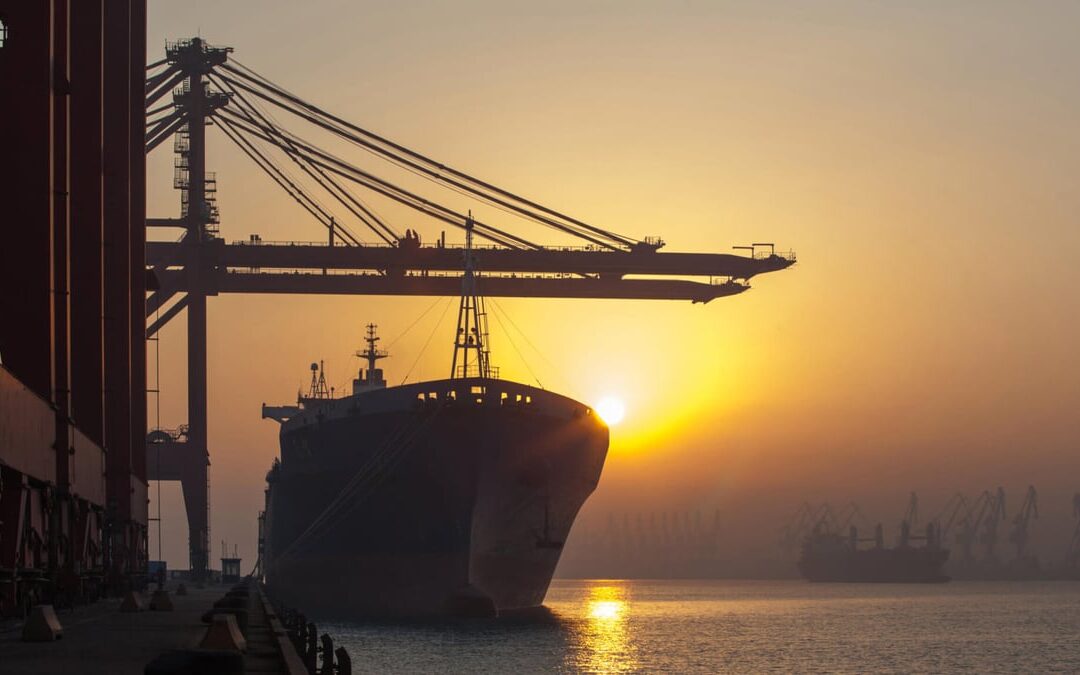
Many people do not realize that more than 80% of the world’s global trade is transported through international shipping.
That means that most of the consumer goods that enter business and homes all over the world were shipped to get there. As the most affordable and efficient form of transportation for goods, maritime activity continues to be a vital part of the world’s trade industry.
The International Maritime Organization (IMO) began its development in 1948 as a specialized agency of the United Nations.
Taking some time to get established, the organization then entered into force on March 17, 1958. At its beginning, the IMO had only 21 member states who took part, which is a large contrast to the present day when it now boasts more than 160 members.
The International Maritime Organization focuses on environmental issues, legal issues, safety, maritime efficiency and technical cooperation. They work together to prevent marine pollution from ships, create safety measures to avoid accidents and damage, build more efficiency in shipping,
With the IMO slogan, “Safe, secure and efficient shipping on clean oceans”, members commit to taking care of the natural resources as well as working in cooperation for the safety of everyone. This includes encouraging each member to promote legislation against piracy and other dangerous activity on the sea.
Twenty years after it moved into action, the anniversary of the IMO was celebrated as the first World Maritime Day in March of 1978. Celebrated annually after that, eventually the day was moved to the end of September, usually celebrated on the last Thursday.
Established by the United Nations in 1978, World Maritime Day is meant to raise awareness about the importance of the shipping industry and the vital contribution it makes to places all over the globe.
Each year World Maritime Day has its own theme that is meant to encourage and motivate those within the shipping industry as well as offering opportunities to tell others about it. Past themes have included:
Seafarers: at the core of shipping’s future
Sustainable shipping for a sustainable planet
Empowering Women in the maritime community
Our Heritage: better shipping for a better future
Now it’s time to join in on the celebrations and take part in appreciating those in the shipping industry for World Maritime Day!
World Maritime Day FAQs
The “Line Crossing Ceremony” initiates sailors crossing the equator for the first time.
This age-old ritual involves playful challenges and theatrical performances, transforming novices, or “pollywogs,” into seasoned “shellbacks.”
It’s a morale-boosting event that fosters camaraderie among crew members.
Yes, many sailors adhere to traditions like avoiding whistling on board, believing it can “whistle up” storms.
Another common superstition is that bringing bananas on board is bad luck, stemming from historical incidents where banana cargoes were linked to shipwrecks.
In Japan, maritime communities often host “Sea Festivals” featuring traditional boat races and ceremonies honoring sea deities.
In Norway, coastal towns may organize open ship days, allowing the public to tour various vessels and learn about maritime operations firsthand.
Maritime folklore, including tales of sea monsters and ghost ships, served both as entertainment and as cautionary tales.
Stories like that of the Flying Dutchman warned sailors of the perils of hubris and the unpredictable nature of the sea.
Sea shanties, rhythmic work songs, coordinated sailors’ tasks aboard ships. These songs not only made labor more efficient but also provided a sense of unity and helped maintain morale during long voyages.
One enduring myth is that the Bermuda Triangle causes ships to mysteriously vanish.
While popular in media, studies have debunked this, attributing incidents to human error and natural phenomena rather than supernatural causes.
Maritime signal flags emerged as a communication system between ships.
Each flag represents a letter or message, allowing vessels to convey information about their status, intentions, or emergencies without verbal communication.
Figureheads, often carved wooden sculptures at a ship’s prow, were believed to embody the spirit of the vessel. They served both as protective talismans and as symbols of the ship’s name or mission.
Sailors adopted tattoos as personal mementos of their voyages. Common designs, like anchors or swallows, held specific meanings, such as safe passage or the hope of returning home.
Yes, the “Blessing of the Fleet” is a tradition in many fishing communities, where vessels are blessed to ensure a bountiful and safe season.
In Malta, the annual Regatta features boat races that date back to the 16th century, celebrating the island’s rich maritime heritage.